A subject for further research
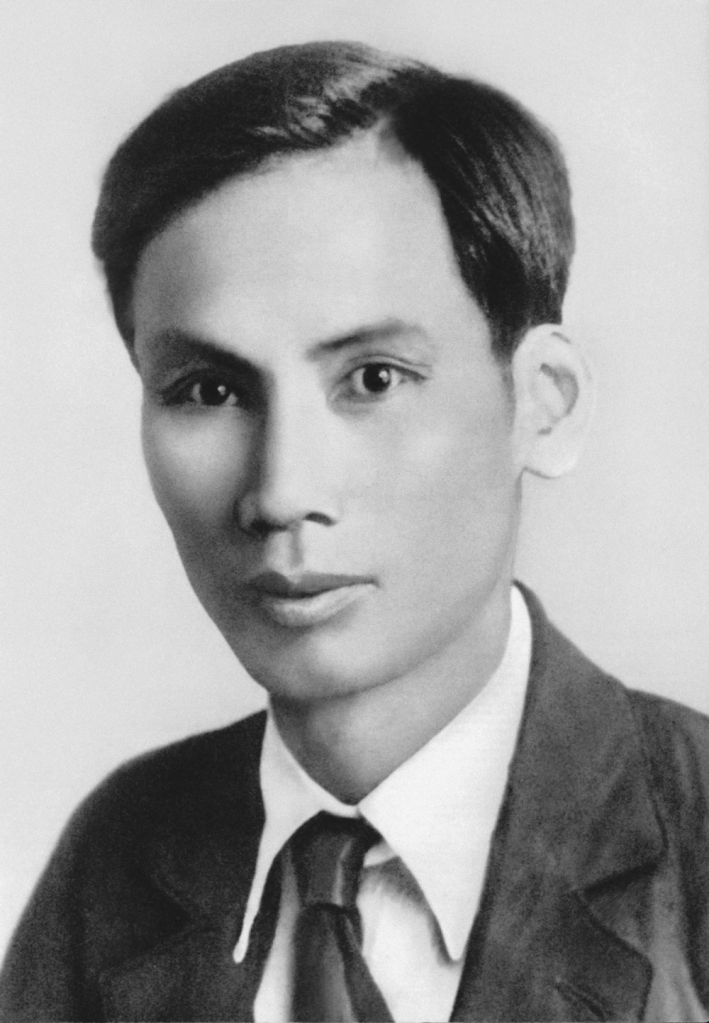
In “Ho Chi Minh on Revolution“, Ho Chi Minh writes about the University of the East, where he studied from 1923.
This was a university in the Soviet Union that educated the working class, not just on the standard subjects but also on the principles of Marxist-Leninism.
Here I’ll summarize what Uncle Ho wrote about it. I definitely want to look into this some more, because it sounds like a really exciting moment in history.
(The following information is from 1924.)
The university had 1,022 students of 62 nationalities, from Korea and China to Armenia. All the students were working-class, and many were peasants. They were given room, board, and clothing for free, and got a few rubles allowance each month.
There were 150 professors who taught social studies, math, historical materialism, the history of the workers’ movement and of revolutions, natural science, political economy, and more.
Facilities:
The university had 10 large buildings, two libraries with tens of thousands of books in all the languages of the different nationalities, a reading room “artistically decorated” with newspapers and magazines, and a kindergarten (“crèche”) and daycare looking after 60 small children. There was even a cinema that the students could use for free on Thursdays and Sundays (on other days it was given to other organizations).
Other properties:
There was a sanatorium in the Crimea for students who needed rest. There were also two holiday camps, each with nine buildings and 100 hectares of land. There the students could learn cattle breeding and cultivate the land. In 1924 they had 30 cows and 50 pigs. (One of these camps used to belong to a Grand Duke. Now it belonged to the peasants.)
Student activities:
The students published a newspaper, posted on a big board by the door of the reading room.
Sometimes meetings and evening parties were organized where amateur artists among the students presented art and music from their countries.
Governance:
All of the students formed a “commune”, and its chairmen and functionaries were elected every three months by all the students. All misdemeanors and disputes were judged and settled by an elected tribunal in the presence of all comrades.
A student delegate took part in the economic and administrative management of the University. All of them had to regularly work in the kitchen, library, club, etc. Once a week, the commune held a meeting to discuss the international political and economic situation.
Ho Chi Minh was really impressed that the communists treated foreigners from colonized countries “like brothers” and let them participate in politics. They could take part in elections of the Soviets and even send their own representatives to the Soviets.
He contrasted this with the students’ treatment in their home countries under colonial capitalist rule, as “submissive subjects” and “protégés” with no rights or political participation.
Such is the difference between bourgeois democracy and proletarian democracy!
Ho Chi Minh said that the students were passionate, curious, and enthusiastic. He said this was different from the foreign students from bourgeois backgrounds who studied in Paris, Oxford, and Berlin, who didn’t take their studies seriously.
Uncle Ho said that the 1.2 billion people under colonial rule in Asia hadn’t seriously tried to free themselves because they didn’t realize the value of international solidarity yet, and didn’t have strong relations between their countries.
He said that the University of the East was changing this by teaching the future vanguard militants the principles of class struggle, establishing contact between the Western and Eastern proletariat, introducing the colonized people to one another, and showing the colonized countries an example of what they can do to help their oppressed brethren.
(End of Ho Chi Minh’s account.)
Wikipedia says that the university really did educate future political leaders, but it was closed during the purges of the late 1930s. I wonder… what’s the real story there?
Anyways, I still think it’s really inspiring. I especially love the democratic organization of the university itself. I wish we had something like this today!
 El choque de olas
Leave a comment