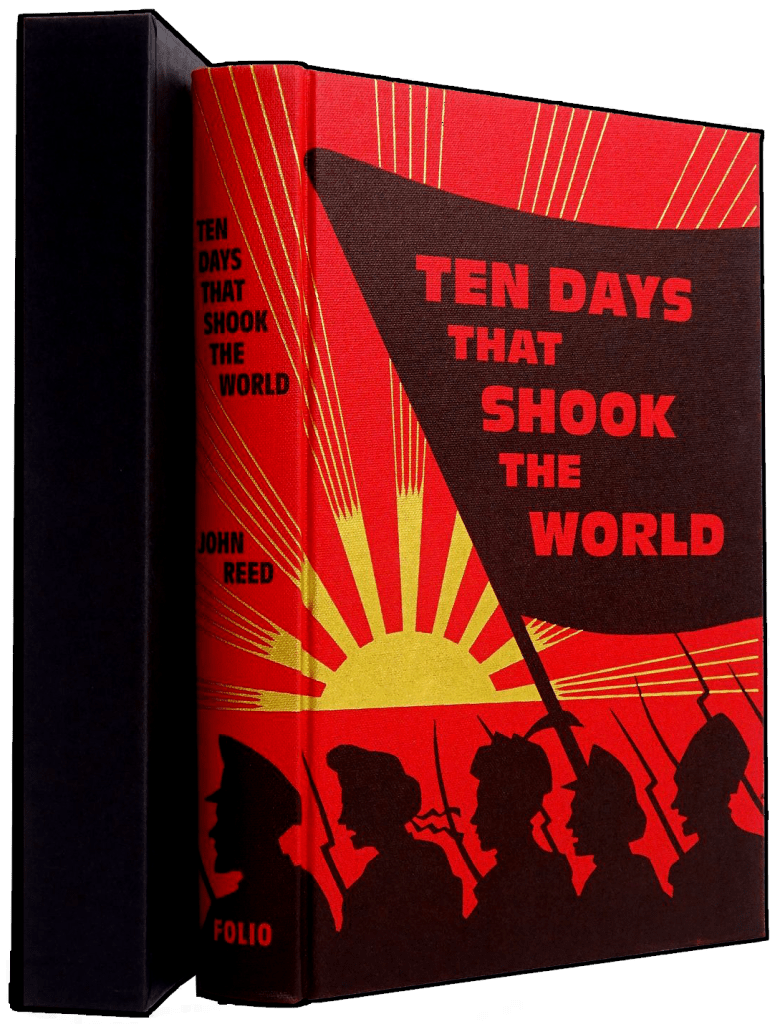
“Ten Days that Shook the World” is an account of the Russian Revolution in October and November of 1917. It follows the complex and rapidly changing events, people, and factions of the struggle in detail. The author, John Reed, was a U.S. American journalist and socialist who traveled to Russia along with some fellow journalists and witnessed these events first hand. It’s mostly made up of his first-hand accounts with some second-hand reports from his colleagues and from contemporary written sources.

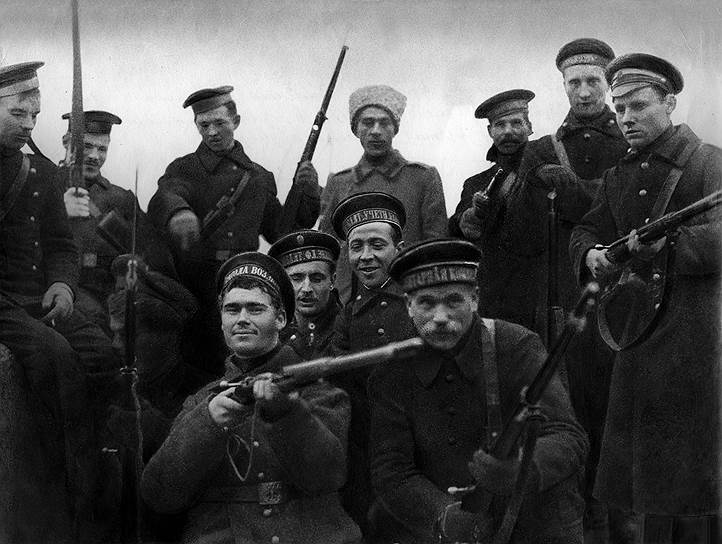
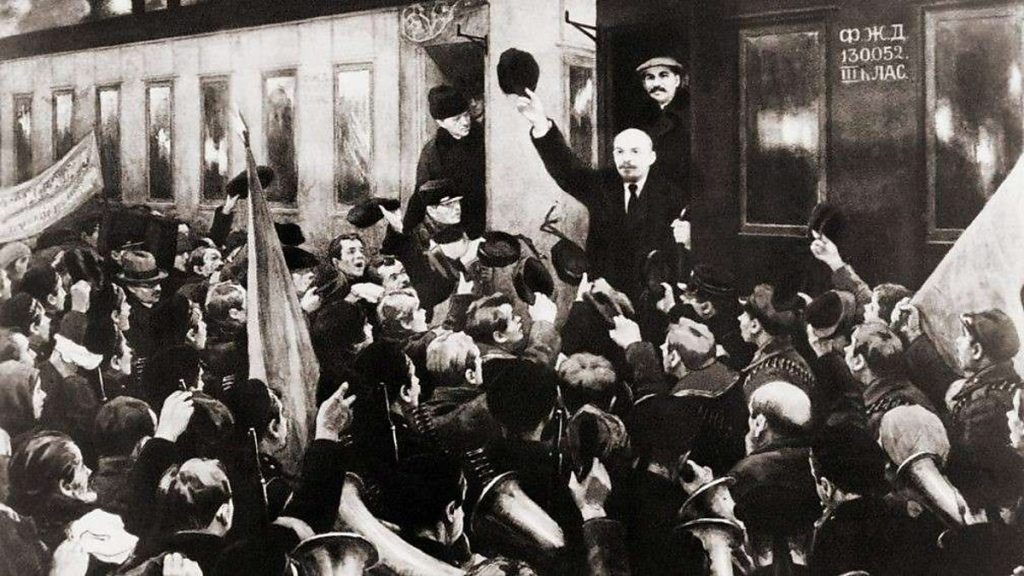
The book includes a map of Petrograd and a map of western Russia; a forward by Lenin; Notes & Explanations; and background information. These were essential for understanding the main text. I referenced the Notes & Explanations a lot to keep all the parties, factions, and people straight. The end of the book has appendices with extra explanations and source texts; a chronology; and an index. It also includes lots of astounding photographs.
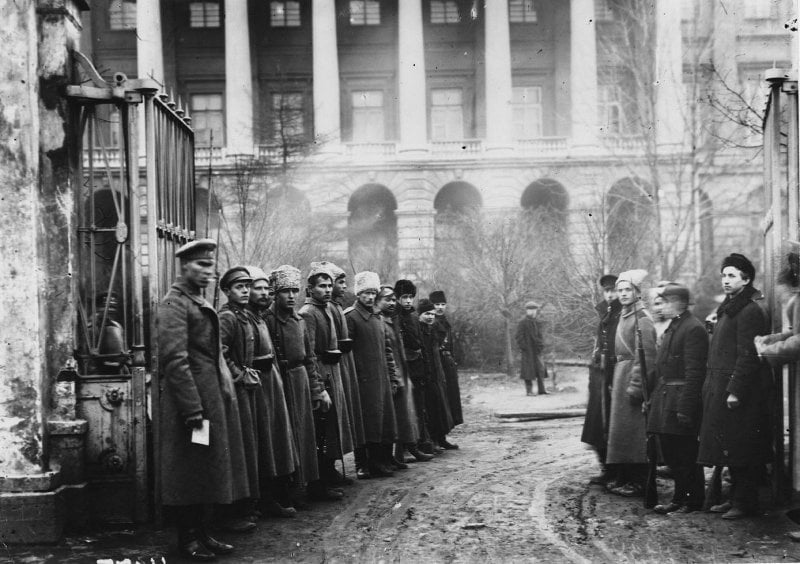
Before I read this book I didn’t know much about the Russian revolution. I knew when it happened, that there were Bolsheviki and Mensheviki, and I knew something about the constituent assembly (which this book stops just short of). This book helped me understand the failure of the constituent assembly because it showed the split of the Right Socialist Revolutionaries and Left Socialist Revolutionaries.
The events of 1917 were so complex, changed so dramatically, and there were so many lies and rumors flying around (spread by the reactionaries to smear the Bolsheviki), that it was easy for things to get twisted, taken out of context, and misreported. This book gave me a really solid understanding of what actually happened and why, and why the actions of the Bolsheviki were necessary.
I was surprised to learn just how much the revolutionary consciousness was fueled by the horror of the Great War. The soldiers were desperate beyond words for the fighting to end. And the Bolsheviki were the only ones who were willing to demand peace, everyone else wanted to keep the war going.
I was also surprised to discover the dizzying proliferation of organizations and parties. Factory-shop committees, soldiers’ and workers’ and peasants’ soviets, consumer cooperatives, army committees, Mensheviki, Bolsheviki, right and left SRs, cadets… they split and merged and formed alliances here and there.
It really showed that theory and praxis are inseparable. These organizations were tested in struggle and developed their principles, strategies, and alliances during the struggle. The revolution definitely wouldn’t have been possible without all the autonomous civil organizations that were lead by the workers, soldiers, and peasants.
One thing I appreciated about this book was how funny it is. Many parts of it read like a novel. John Reed included many anecdotes that give refreshing insight into the real situation on the ground, and I found many of them amusing. Mr. Reed showed the actions of everyday people who came together and organized themselves, not just the bigwigs in the CIK, the provisional government, and the dumas.
I felt that there were real people getting swept up in these events, that circumstance brought unlikely personalities together, that normal everyday life was continuing somehow in spite of everything. I recommend this book just for the funny bits.
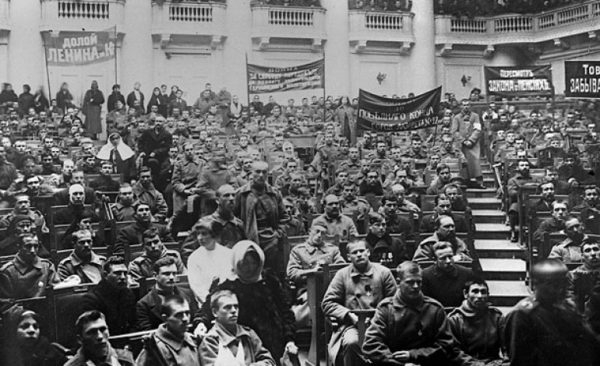
And by god, there were so many meetings! I really enjoyed whenever there was a meeting, tensions ran high, people were shouting over each other and getting agitated and confused, and then some noble person would stand up and give a rousing speech that stilled the commotion and united the crowd. Reed definitely had a flair for the dramatic.
A lesson that I took from this book was that any revolutionary party must have its base in the people. The Bolsheviki did this by speaking to the material demands of the the peasants, soldiers, & workers, and actually delivering on promises. They refused to compromise with the propertied classes, and sought alliances instead with the peasantry. They were also uncompromising in asserting their power through armed force and through control over the organs of power.

This was how the Bolsheviki won the propaganda war that raged in the newspapers and on the streets, as well as the contest of arms and the stubborn resistance of the bureaucracy and logistical workers. The Bolsheviki cemented their legitimacy by delivering on the demand of peace, land, and bread, by daring to struggle and be bold. They pushed forward as soon as the opportunity came, and met every new challenge without wavering. It’s so inspiring, and I think it is owed in large part to the leadership of Comrade Lenin.
One thing I want to know more about is the origin of the soviets and how they actually worked. I also want to know more about the earlier stage of the revolution, like the July days, which this book summarizes but does not detail. I want to know how the Bolsheviki came to be the party of the masses.
All in all, I think this book is absolutely essential reading for anyone who is interested in socialism. And it’s a proper page turner. 10/10!

 El choque de olas
Leave a comment